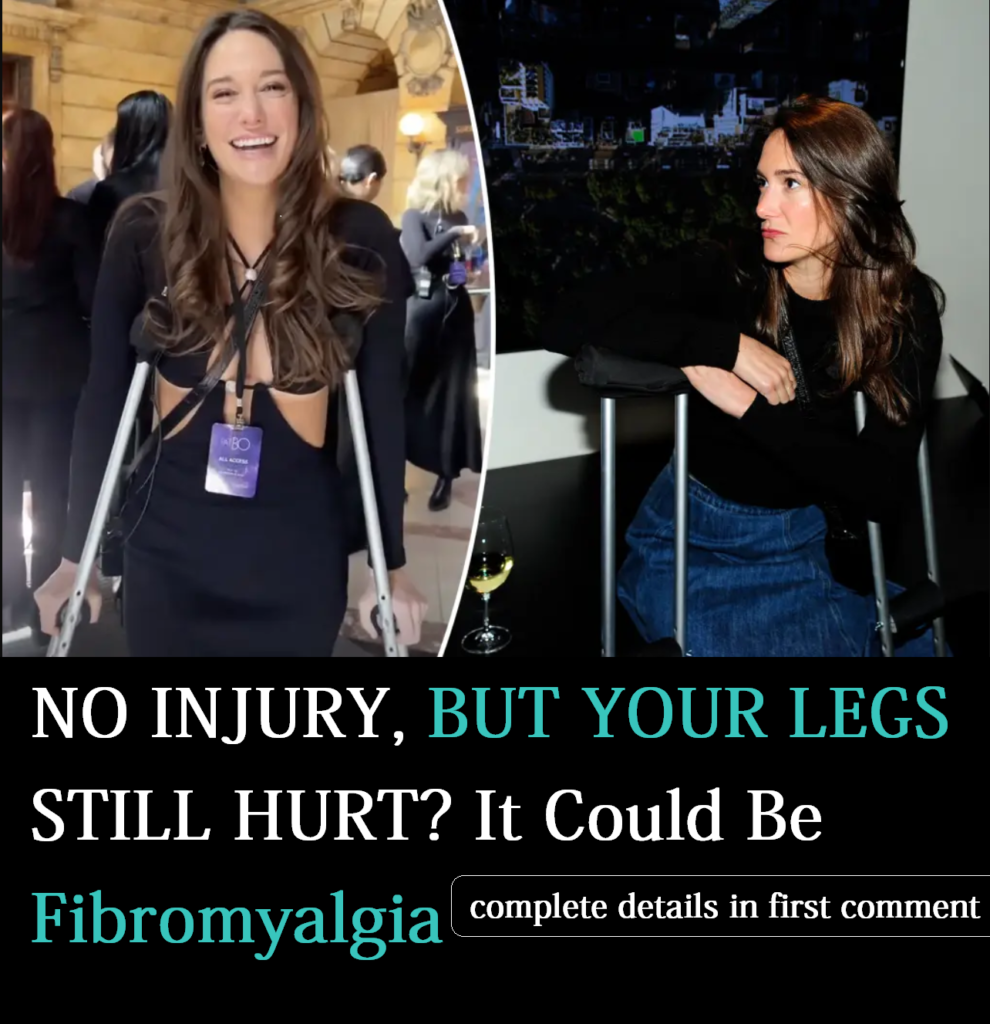
One of the hardest parts of living with fibromyalgia is trying to explain the pain to someone who has never experienced it. Unlike a broken bone, a visible injury, or a condition that shows up clearly on medical tests, fibromyalgia often leaves no outward signs. Yet for millions of people, the pain, exhaustion, and cognitive difficulties are very real.
Friends, family members, coworkers, and even healthcare providers sometimes struggle to understand what fibromyalgia feels like. As a result, many people with the condition rely on vivid comparisons and metaphors to describe their daily reality.
If you’ve ever searched for answers about fibromyalgia symptoms or wondered whether others experience similar sensations, these descriptions may feel surprisingly familiar. While every person’s experience is unique, these examples help paint a clearer picture of what living with fibromyalgia can be like.
Why Fibromyalgia Is So Difficult to Describe
Fibromyalgia is a chronic pain condition characterized by widespread pain, fatigue, sleep disturbances, and cognitive challenges often referred to as “fibro fog.”
What makes fibromyalgia unique is that the pain isn’t always limited to one area of the body. It can shift locations, change intensity, and appear alongside dozens of other symptoms.
Many experts believe fibromyalgia involves abnormal pain processing within the nervous system. This means the body’s pain signals can become amplified, causing sensations that might seem disproportionate to what others experience.
Because the condition affects each person differently, many patients use analogies to help others understand what they go through.
16 Ways People Describe What Fibromyalgia Feels Like
1. Like Being Covered in Barbed Wire That Digs Into Your Skin With Every Movement
Imagine every movement causing sharp, stinging discomfort. Even simple activities like reaching for a cup, getting dressed, or rolling over in bed can trigger pain.
Many people with fibromyalgia describe heightened sensitivity that makes ordinary movements feel unexpectedly painful.
2. Like Having a Severe Flu Every Day, But It Never Goes Away
Most people know the body aches, exhaustion, and weakness that come with the flu.
Now imagine waking up with those symptoms every single morning without ever fully recovering.
For many individuals, this comparison closely resembles daily life with fibromyalgia.
3. Like Your Muscles Are Bruised From Head to Toe After an Intense Workout You Never Did
A common fibromyalgia symptom is widespread muscle soreness.
Many people report feeling as though they’ve completed an exhausting workout despite having done little physical activity.
Their muscles may feel tender, stiff, and painfully overworked.
4. Like Carrying a Heavy Backpack Filled With Rocks Everywhere You Go
Fatigue is one of the most debilitating aspects of fibromyalgia.
Tasks that seem simple to others can feel overwhelming because every movement requires extra effort.
It’s as if an invisible weight is constantly attached to the body.
5. Like a Sunburn Under Your Skin That Even Clothing Can Irritate
Fibromyalgia can cause extreme sensitivity to touch.
For some people, clothing, bedsheets, seat belts, or even gentle contact can trigger discomfort.
This symptom is often linked to abnormal pain processing within the nervous system.
6. Like Your Body’s Pain Alarm Is Stuck on Maximum Volume
Pain serves as the body’s warning system.
In fibromyalgia, many experts believe that system becomes overly sensitive.
As a result, sensations that might be mildly uncomfortable for others can feel intensely painful.
7. Like Walking Through Wet Cement While Everyone Else Moves Normally
Many individuals experience stiffness, weakness, and profound fatigue.
Walking, climbing stairs, or performing everyday tasks can feel as though they’re moving through a thick, resistant substance while everyone else moves freely.
8. Like Being Electrocuted With Tiny Shocks That Travel Through Your Muscles and Nerves
Some people report burning, tingling, buzzing, or electric-like sensations.
These symptoms may come and go unexpectedly and can affect different areas of the body.
9. Like Trying to Function After Staying Awake for 48 Hours Straight
Fibromyalgia fatigue goes far beyond feeling tired.
Even after a full night’s sleep, many people wake up exhausted.
The overwhelming fatigue can affect work performance, social activities, and daily responsibilities.
10. Like Your Bones Ache Deep Inside, Even When You’re Resting
Fibromyalgia pain isn’t always limited to muscles.
Many individuals describe a deep aching sensation that seems to come from their bones or joints, even while sitting or lying down.
11. Like Having a Constant Toothache Throughout Your Entire Body
A toothache demands attention because it is difficult to ignore.
Now imagine that persistent aching sensation spread across multiple areas of your body.
This is how some people describe widespread fibromyalgia pain.
12. Like Every Muscle Is Tight, Sore, and Exhausted at the Same Time
Muscle tension is common among people with fibromyalgia.
The body can feel stiff, overworked, and sore simultaneously, creating a cycle of discomfort that is difficult to escape.
13. Like Your Skin Is Covered in Invisible Bruises That Hurt When Touched
Tenderness is one of the hallmark symptoms of fibromyalgia.
Even light pressure may trigger pain, causing ordinary contact to become uncomfortable.
14. Like Thinking Through a Thick Fog Where Concentration Feels Impossible
“Fibro fog” affects memory, concentration, and mental clarity.
People often struggle to find words, remember appointments, or stay focused during conversations.
This cognitive symptom can be just as frustrating as physical pain.
15. Like Your Body Battery Never Charges Above 20%, No Matter How Much You Sleep
Many people with fibromyalgia describe waking up feeling as tired as they were before going to bed.
Rest often fails to provide the energy restoration most people expect.
16. Like Fighting an Invisible Battle Every Day While Looking Perfectly Fine on the Outside
Perhaps the most difficult aspect of fibromyalgia is that others cannot see it.
People may appear healthy while silently coping with severe pain, exhaustion, sleep disturbances, and cognitive challenges.
This invisibility can lead to misunderstanding and isolation.
The Emotional Impact of Living With Fibromyalgia
The physical symptoms of fibromyalgia are only part of the challenge.
Many individuals also experience frustration, anxiety, sadness, and feelings of isolation. When symptoms are invisible, it can be difficult to receive validation and support from others.
Repeatedly explaining the condition, canceling plans because of flare-ups, or struggling to complete everyday tasks can take an emotional toll over time.
This is why education and awareness remain so important.
What Can Help Manage Fibromyalgia Symptoms?
Although there is currently no cure for fibromyalgia, many people find symptom relief through a combination of approaches:
- Gentle exercise such as walking or swimming
- Consistent sleep habits
- Stress management techniques
- Physical therapy
- Healthy nutrition
- Pacing activities to avoid overexertion
- Working closely with healthcare professionals
Because fibromyalgia affects everyone differently, treatment plans often require personalization and ongoing adjustment.
Final Thoughts
Understanding what fibromyalgia feels like is difficult unless you’ve lived through it yourself. The condition affects the body, mind, and daily life in ways that can be challenging to explain.
These 16 descriptions provide insight into the experiences many people share when living with fibromyalgia. While the exact symptoms vary from person to person, the common thread is clear: fibromyalgia is far more than ordinary aches and pains.
By increasing awareness and understanding, we can help those living with this invisible illness feel seen, heard, and supported.